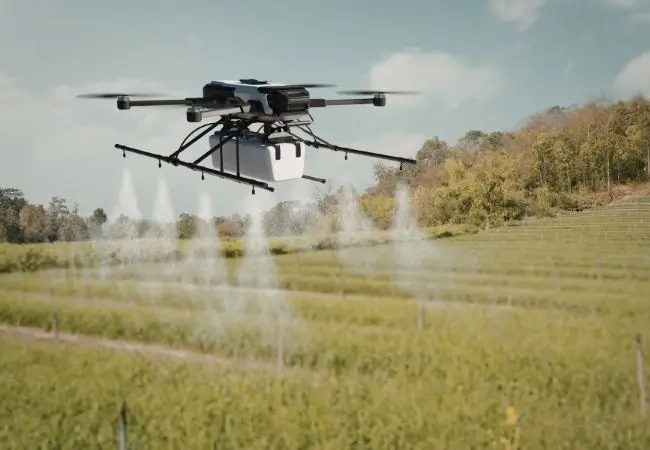
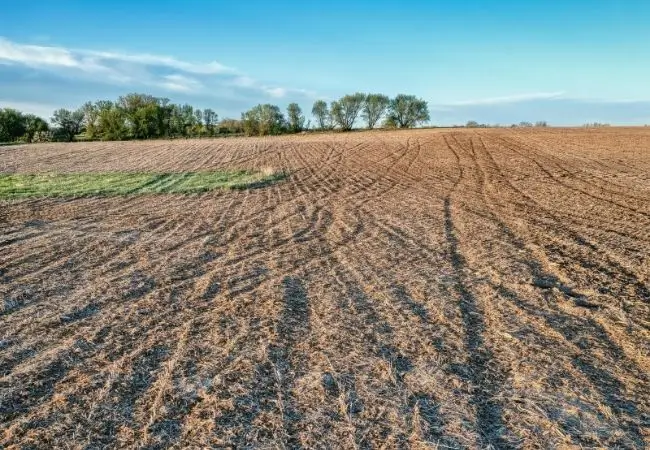
Agriculture in the UAE operates under extreme constraints: limited water, high temperatures, saline soils, and minimal arable land. Historically, these constraints justified heavy reliance on imports. Today, however, national food security objectives and technological advances are reshaping what is economically possible.
The challenge is no longer simply growing food locally—it is doing so sustainably, cost-efficiently, and at scale.
Why Traditional Agriculture Falls Short
Conventional open-field farming in the UAE is resource-intensive and increasingly unsustainable. High evaporation rates drive excessive water use, while heat stress reduces yields and quality. Groundwater depletion and salinity further erode long-term viability.
As a result, traditional models struggle to compete with imports on cost or consistency. Continuing along this path would increase environmental risk without materially improving food security.
Controlled Environments, Controlled Costs
Controlled Environment Agriculture (CEA) has emerged as a viable alternative. Greenhouses, hydroponic systems, and vertical farms decouple production from climate volatility. By controlling temperature, humidity, and nutrient delivery, these systems dramatically improve resource efficiency.
Water use can be reduced by up to 90–95% compared to open-field farming. Year-round production improves asset utilization and reduces seasonal revenue volatility. While capital costs are higher, operating costs are more predictable—a key advantage for long-term planning.
Crucially, not all CEA needs to be high-tech or capital-heavy. Mid-tech greenhouses, shade structures, and protected cultivation systems offer attractive cost-performance ratios, particularly for small and medium-scale operators.
Smarter Water, Not Just Less Water
Water efficiency is the central variable in UAE agriculture economics. Precision irrigation, soil moisture monitoring, and treated wastewater reuse are transforming water management from a blunt input into a controlled production parameter.
Drip irrigation and fertigation systems deliver water and nutrients directly to roots, minimizing losses. In parallel, desalination powered by renewable energy and water recycling technologies are expanding the feasible water envelope for agriculture without exacerbating carbon intensity.
Crop Selection and Genetics Matter
Sustainability is not only about technology; it is also about biology. Climate-adapted crop varieties, salt-tolerant seeds, and heat-resistant cultivars reduce input requirements and increase resilience.
Selecting the right crops for the right systems is critical. High-value, fast-cycle crops perform well in controlled environments, while native and climate-resilient crops are better suited to open or semi-protected fields. This portfolio approach improves overall farm economics.
From Subsidies to Systems Thinking
Government incentives and policy support play an important role, but the long-term success of sustainable agriculture depends on systems thinking. Energy, water, waste, and logistics must be considered together.
Farms that integrate solar power, water recycling, and organic waste valorization benefit from lower operating costs and improved sustainability metrics. These integrated models are more attractive to investors and lenders increasingly focused on climate risk.
A Commercial Future for Desert Agriculture
The UAE is demonstrating that sustainable agriculture in arid climates is not a contradiction—it is a design challenge. When approached with discipline, data, and realistic economics, local food production can complement imports and strengthen national resilience.
The future of UAE agriculture will not look like traditional farming elsewhere. It will be engineered, efficient, and climate-adapted. Those who understand this shift—and invest accordingly—will help shape a food-secure future that is both environmentally and economically sound.