

Food safety in the UAE is both a national priority and a structural necessity. With a highly globalized supply chain and a diverse consumer base, the country has little margin for error. Ensuring that food is safe, traceable, and transparently labeled is not only about public health—it is about trust, resilience, and economic credibility.
A High-Import Reality Requires High-Control Systems
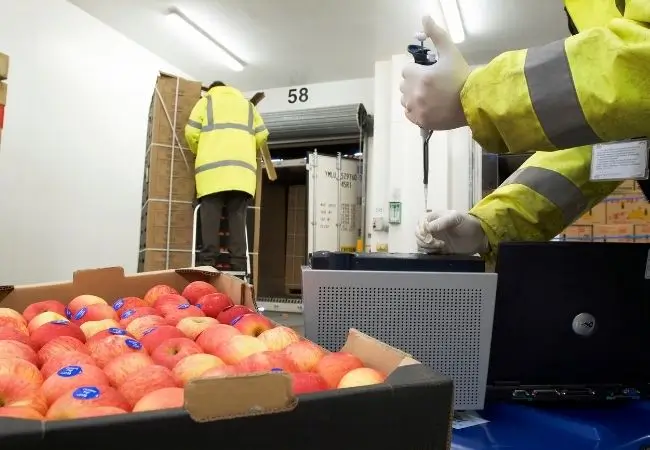
The UAE imports the majority of its food. This reality amplifies exposure to external risks: regulatory gaps between exporting countries, inconsistent production standards, and long logistics chains. In response, UAE regulators have shifted from reactive inspection models to preventive, system-based food safety governance.
Unified federal food safety frameworks, digital product registration platforms, and risk-based inspection protocols are now standard. These systems allow authorities to trace products from origin to shelf and intervene rapidly when issues arise. For food businesses, compliance is no longer optional or cosmetic—it is embedded into market access.
Consumer Expectations Are Changing Faster Than Regulation
Parallel to regulatory evolution, consumer behavior in the UAE is undergoing a fundamental shift. Shoppers are more informed, more health-conscious, and more skeptical of vague claims. “Natural,” “clean,” and “organic” are no longer marketing buzzwords; they are expectations that must be substantiated.
Food safety today extends beyond contamination control. It includes concerns around chemical residues, excessive processing, and long-term health impacts. This has driven demand for clearer labeling, shorter ingredient lists, and greater transparency about sourcing and processing methods.
For producers and distributors, this creates both pressure and opportunity. Companies that invest in traceability systems, transparent communication, and rigorous quality assurance gain a competitive advantage in a crowded market.
Technology and Traceability as Trust Infrastructure
Digital traceability has become a cornerstone of modern food safety in the UAE. Electronic product registries, QR-based information access, and blockchain pilots enable faster recalls, better audits, and improved consumer confidence.
However, the most effective systems are those that integrate seamlessly into operations. Overly complex solutions can increase costs without improving outcomes. The UAE’s pragmatic approach emphasizes fit-for-purpose technology that aligns with regulatory requirements and operational realities.
Equally important is data integrity. Traceability only builds trust if data is accurate, verified, and consistently maintained. This places responsibility not just on regulators, but on every participant in the value chain.
Food Safety as a Public Health Lever
Food safety policy in the UAE is increasingly linked to broader public health objectives. Nutrition labeling initiatives, sugar and salt reduction strategies, and restrictions on misleading claims are designed to influence consumer behavior at scale.
These measures recognize that long-term healthcare costs are closely tied to dietary patterns. Safer food is not only food free from pathogens; it is food that supports healthier lifestyles. In this context, food safety becomes a preventive health investment.
Strategic Implications for the Food Sector
For food companies operating in the UAE, the message is clear: compliance alone is insufficient. Success requires proactive engagement with regulators, investment in quality systems, and a willingness to adapt to evolving expectations.
From a strategic standpoint, food safety should be treated as a core business function—not a compliance overhead. Companies that internalize this mindset are better positioned to scale, export, and partner with institutional buyers such as hospitality groups, airlines, and government entities.
In the UAE, food safety has become a strategic differentiator. Those who understand this will lead the market; those who underestimate it will struggle to remain relevant.